


Chicago Fashion Vanguard Aims to Create Fashion Hub in the Windy City's LaSalle Corridor
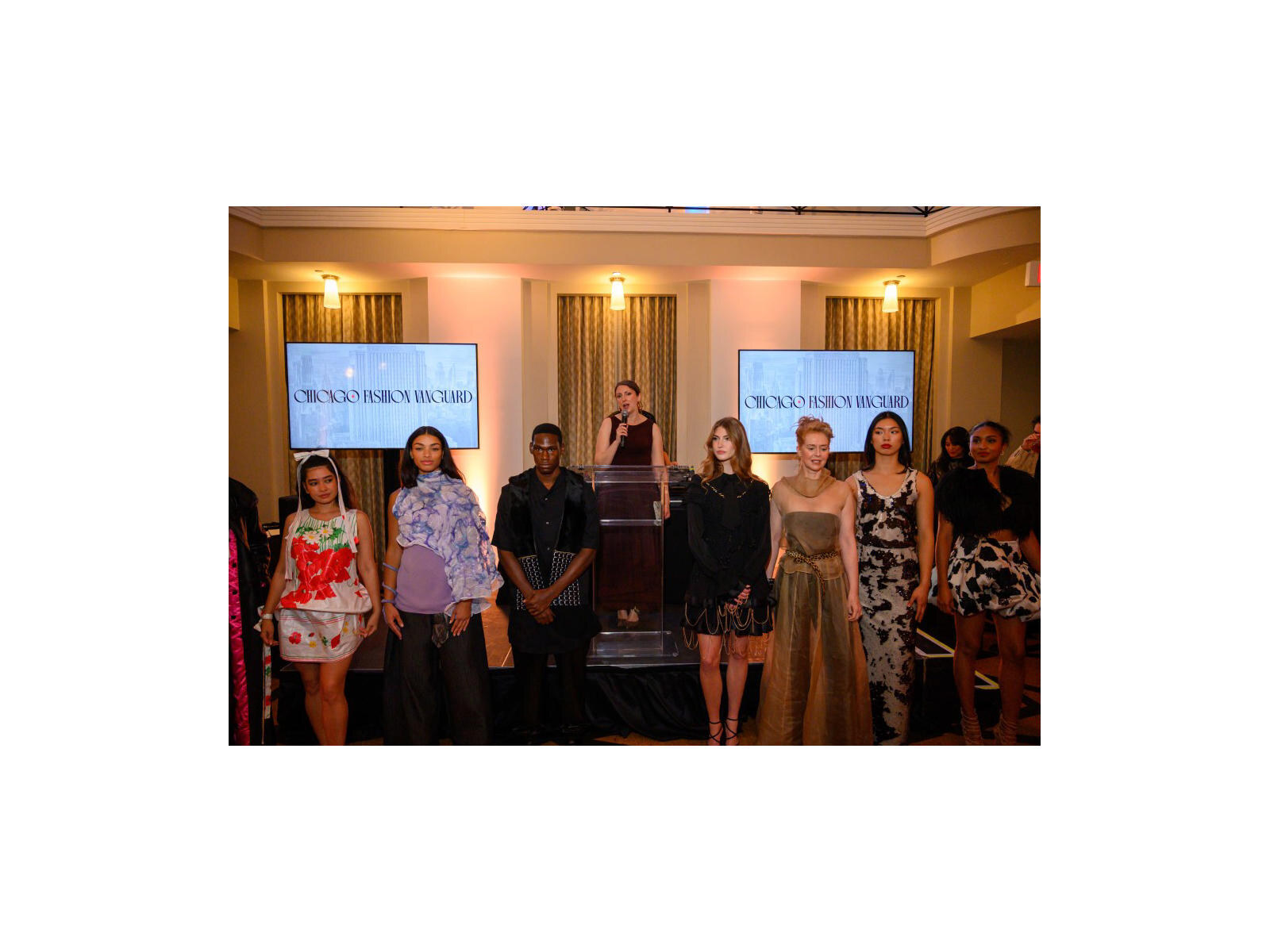
Imagine a raised runway down LaSalle Street with the Chicago Board of Trade in the backdrop. CFV unveils a four-day Chicago Style Weekend plan to turn The Loop's historic LaSalle Corridor into an international fashion destination.
A raised runway down LaSalle Street with the Board of Trade lit behind it is the image Chicago Fashion Vanguard keeps putting in front of civic leaders — and the pitch is landing at exactly the moment The Loop needs a reason to be a destination after 6 p.m.
What Chicago Fashion Vanguard is proposing
Chicago Fashion Vanguard's plan centers on a four-day Chicago Style Weekend anchored in the LaSalle Corridor, the canyon of pre-war financial towers that runs from the river south to the Board of Trade. The concept pairs a large outdoor runway with satellite programming — designer showrooms, buyer appointments, panel programming and after-hours parties — spread across ground-floor spaces that sit empty on weekends.
The organizing idea is not a one-off spectacle. It is a trade calendar. Fashion weeks that survive do so because buyers, press and manufacturers have a reason to fly in on the same dates every year. Chicago Fashion Vanguard is arguing that the city already has the pieces — designers, a garment history, a convention infrastructure, an airport that connects to both coasts in under four hours — and has simply never scheduled them together.
Why LaSalle Street, specifically
LaSalle is the most cinematic street in Chicago and one of the emptiest on a Saturday. The corridor was built for a financial economy that has since moved trading floors into server racks, leaving grand lobbies and wide sidewalks with nobody walking them. City planning conversations about the corridor have circled the same question for years: what fills a street designed for suits when the suits work from home two days a week?
A runway answers that question in a way an office-to-residential conversion cannot do alone. It brings hotel nights, restaurant covers, and a reason for a national fashion editor to file a Chicago dateline. It also uses the architecture instead of hiding it — the Board of Trade's Art Deco setbacks and the corridor's stone walls are a backdrop most fashion capitals would have to build.
The infrastructure Chicago already has
Chicago is not starting from zero. The Merchandise Mart remains one of the largest commercial buildings in the country and still runs design trade shows. The Apparel Center next door was purpose-built for the industry. Columbia College and the School of the Art Institute graduate technically trained designers every spring, and a meaningful number of them leave for New York and Los Angeles within two years because there is no local buying calendar to sell into.
That leak is the real problem a fashion week is meant to plug. A city keeps designers when it can offer them customers, production partners, and press in the same zip code. Everything else — the runway, the parties, the street closure — is marketing for that underlying trade function.
What has to go right
Three things determine whether this becomes an annual fixture or a well-photographed weekend. The first is money: outdoor runways in a city with Chicago's wind and permitting costs are expensive, and the plan needs multi-year underwriting rather than a single sponsor.
The second is buyers. Designers will travel for press, but they build businesses on orders. If Chicago Style Weekend cannot get boutique and department-store buyers into appointments, the programming becomes a consumer festival — enjoyable, but not the industry anchor the pitch describes.
The third is neighborhood breadth. Chicago's most interesting design work is not concentrated downtown. Streetwear labels in Pilsen, tailors on the South Side, and the vintage and resale scene in Humboldt Park all have followings that predate any civic initiative. A LaSalle runway that ignores them will read as a Loop real-estate play wearing fashion's clothes.
What it means if you live here
For Chicagoans, the near-term payoff is access. Fashion weeks in New York and Paris are closed rooms; the version being proposed here is explicitly public-facing, with an outdoor runway that anyone standing on LaSalle can watch. For local designers, it is a shot at a home-market show that does not require a plane ticket.
Eventchaser will be tracking dates, the designer roster, and how much of the programming is genuinely free to attend as details firm up. If you are a Chicago designer, stylist, or producer with something in the works around the corridor, our submissions inbox is open — we would rather cover this from the inside than from a press release.
Additional reporting: WWD via MSN. Eventchaser adds original Chicago context, verification, and on-the-ground detail.
Read the original report at WWD via MSN.

Sponsored
More in Fashion
Eventchaser verifies event details and sources before publishing. See our editorial policy.