


Juvenile & Mannie Fresh on 'Still 400' and the Cash Money Legacy
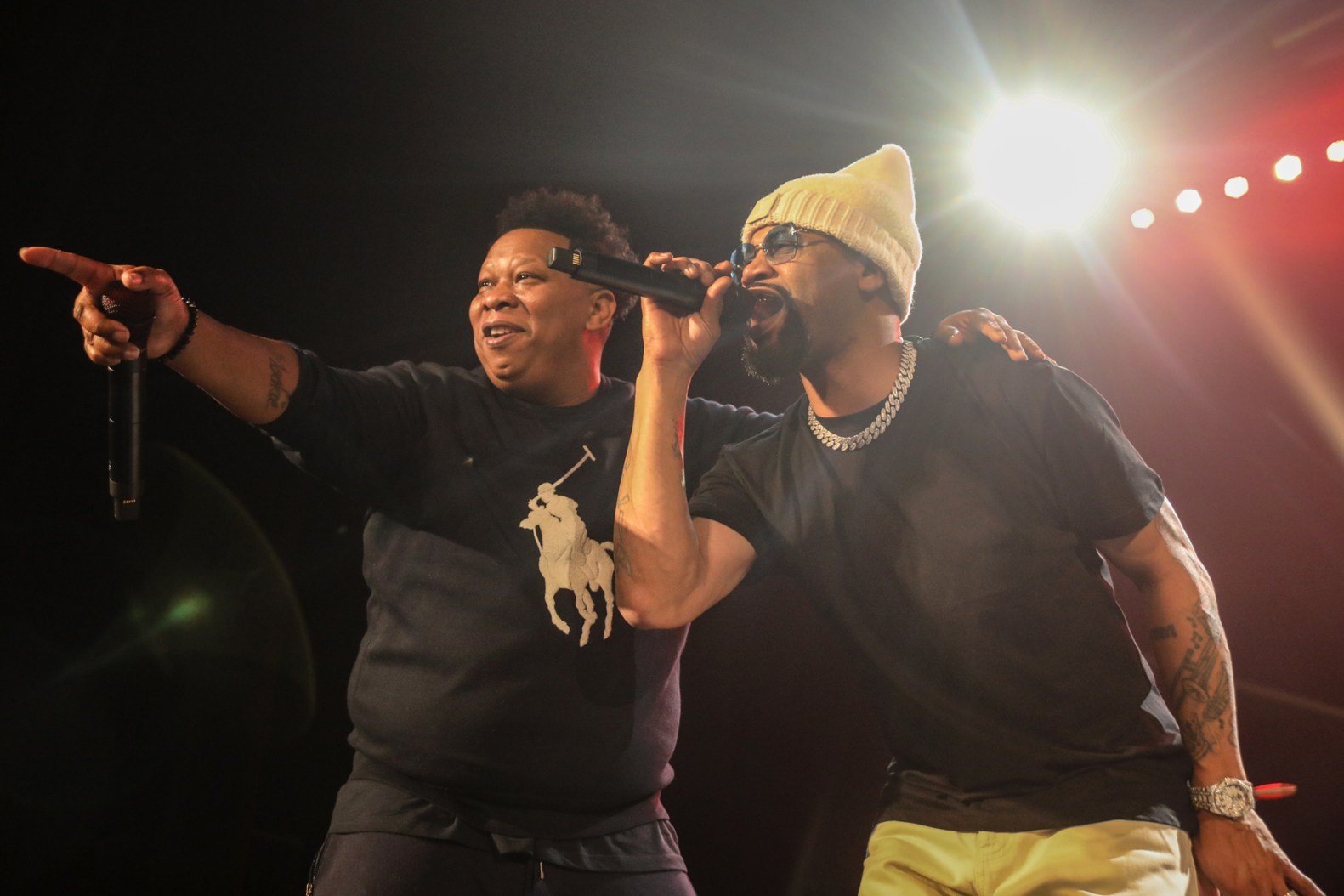
The Cash Money architects reunite behind the mic for their new podcast 'Still 400' — talking hip-hop history, friendship, and why they're still moving the culture forward.
The two men who built the sound of Cash Money have spent thirty years being interviewed about it. On 'Still 400,' they are finally the ones asking the questions.
The architects, not the mascots
Cash Money's late-'90s run is usually told as a story about a label. It is more accurately a story about a producer and a rapper. Mannie Fresh built the drum programming, the synth lines and the bounce-derived swing that made the records identifiable within four bars. Juvenile supplied the voice and the phrasing that turned New Orleans slang into a national vocabulary.
'400 Degreez' is the document. It sold in numbers that made the majors rewrite their southern strategy, and it did it with production that was, by the standards of 1998 radio, deeply weird — thin snares, rolling triplets, keyboard patches nobody else was using.
Why a podcast, and why now
'Still 400' puts the two of them behind microphones as hosts rather than guests. That inversion matters: most oral history of southern rap has been mediated by writers and executives who were not in the room. Here the people who made the beats and wrote the verses control the framing.
The format also solves a problem the era's artists share. Their catalog is worth more streaming than it ever was in physical sales, but the storytelling around it belongs to documentary crews. A podcast is the cheapest way to own your own archive.
The friendship underneath it
What carries the show is not the history lessons. It is that these two are genuinely funny together and have been in each other's lives long enough that the shorthand is real. Long-running creative partnerships in hip-hop are rare; ones that survived a label dispute, a diaspora after Hurricane Katrina, and thirty years of shifting industry economics are close to nonexistent.
The episodes work best when they drift off-topic — studio logistics, arguments about tempo, who actually came up with a line that has been misattributed for two decades.
What it means for the New Orleans-to-Chicago pipeline
Chicago has a specific relationship with this catalog. Bounce-influenced Cash Money records were club staples here through the early 2000s, and the tempo and drum feel bled into the footwork and juke scenes that were developing on the South and West Sides at the same time. Ask a Chicago DJ over 35 what they played at 1 a.m. in 2001 and 'Back That Azz Up' comes up unprompted.
That is why Cash Money reunion bills sell out here. It is not nostalgia tourism; the records are part of the local canon.
If you are catching them live
Cash Money and No Limit package tours have been routing through Chicago arenas and large theaters regularly, and the Juvenile-and-Mannie-Fresh portion of those bills is consistently the best-executed set — a DJ who wrote the beats live-mixing them behind the rapper who wrote the verses is a different experience from a laptop and a hype man.
Eventchaser tracks those dates as they are announced on our music page. If you have never seen Mannie Fresh DJ a full room, put it above almost anything else on a Chicago hip-hop calendar.
Additional reporting: Rolling Stone. Eventchaser adds original Chicago context, verification, and on-the-ground detail.
Read the original report at Rolling Stone.

Sponsored
More in Music
Eventchaser verifies event details and sources before publishing. See our editorial policy.